
AI-Crafted Agreements in Phishing Attempts
By Dr Pooyan Ghamari Swiss Economist and Visionary
The New Face of Digital Deception
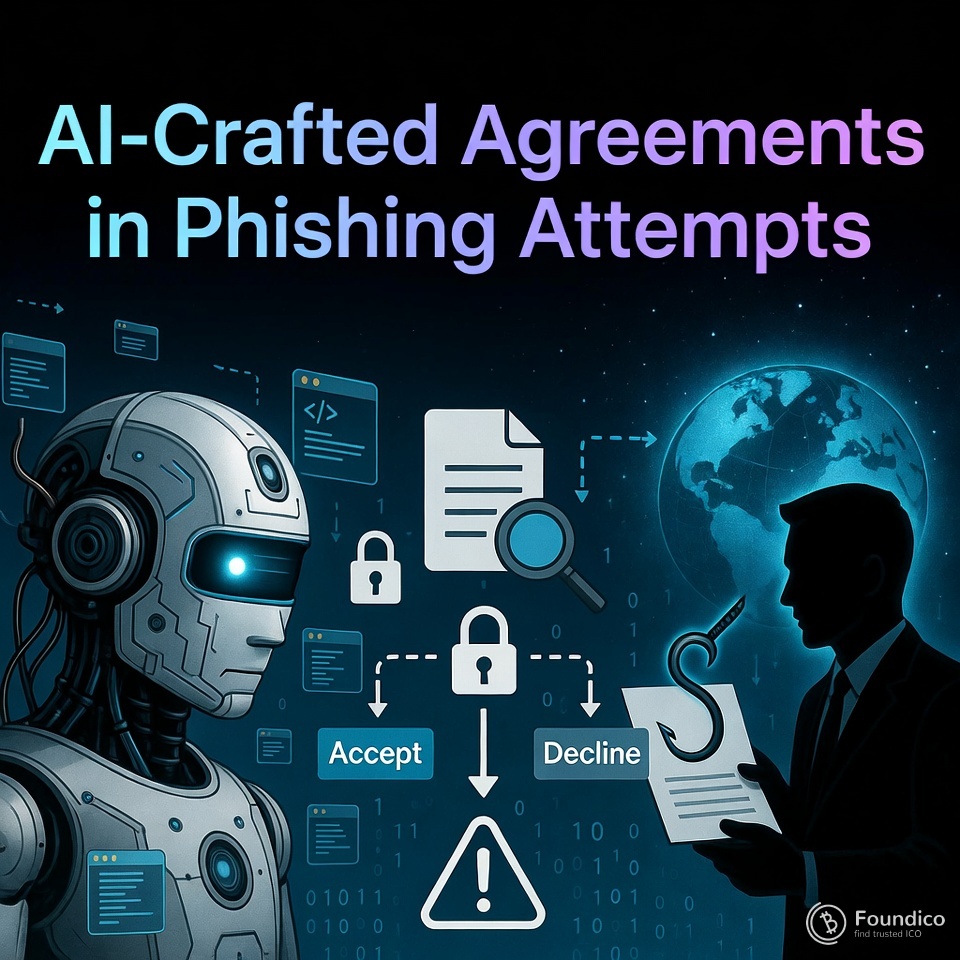
February 13 2026 marks a turning point where artificial intelligence has transformed phishing from clumsy mass emails into meticulously personalized contractual traps. Criminal networks now deploy large language models to generate entire agreements that appear professionally drafted legally sound and urgently legitimate.
Precision Engineering of False Documents
Advanced generative systems ingest templates from real commercial contracts investment memoranda partnership deeds and service level agreements. They then customize every clause with the target's name company details transaction history and even industry-specific jargon pulled from public profiles social media posts and leaked data dumps. The output arrives looking like it was prepared by an in-house legal department complete with numbered sections defined terms boilerplate disclaimers and signature blocks.
Psychological Hooks Embedded in Language
These AI-crafted documents master subtle psychological levers. Urgency appears through countdown language such as this offer expires in forty-eight hours or final approval required before quarter-end close. Authority is projected via references to fictitious regulatory bodies prestigious law firms or named senior executives whose LinkedIn profiles have been scraped for authenticity. Reciprocity gets triggered by including small concessions framed as goodwill gestures designed to lower defenses.
Visual and Structural Sophistication
Modern phishing kits pair text generation with automated document formatting. The agreements feature consistent typography watermarks footers with invented reference numbers barcodes QR codes linking to controlled domains and embedded metadata suggesting recent creation by Microsoft Word or Adobe Acrobat. When opened as PDF attachments or viewed through secure preview links the presentation rivals documents sent by major financial institutions.
Multi-Channel Delivery for Greater Impact
Delivery no longer relies solely on email. Attackers route these crafted agreements through compromised corporate accounts trusted cloud storage links messaging platforms used in business collaboration or even SMS with shortened URLs pointing to dynamically generated document viewers. Each channel reinforces the impression of an official internal communication rather than an external intrusion.
The Economic and Systemic Consequences
When victims sign these documents whether digitally or by replying with scanned copies the damage cascades quickly. Funds transfer authorizations get approved supply chain credentials get handed over intellectual property rights get falsely assigned and access tokens get surrendered under the guise of closing a legitimate deal. The resulting losses frequently reach seven or eight figures while the clean appearance of the paperwork delays forensic recovery efforts.
A Visionary Call for Adaptive Defenses
As someone who has long studied the intersection of technology economics and human behavior I see this development as both predictable and preventable. Financial organizations regulators and legal departments must shift from static signature-based detection toward continuous contextual analysis that evaluates document provenance writing style metadata consistency cross-channel patterns and behavioral anomalies in the signing process itself.
The Road Ahead in an AI-Augmented Threat Landscape
By late 2026 watermarking provenance tracking semantic anomaly detection and federated behavioral modeling will become standard layers in enterprise security stacks. Until then every seemingly perfect agreement that arrives unexpectedly demands scrutiny no matter how polished the prose how familiar the sender or how pressing the deadline appears. In the age of AI-crafted deception skepticism remains the most reliable signature verification tool.