
 BitcoinHyper - Bitcoin Hyper finally unlocks fast and cheap Bitcoin transactions by delivering the first ever Bitcoin Layer 2 blockchain.
AI-Powered Chain Analysis: Great for Compliance, Terrible for Privacy
By Dr. Pooyan Ghamari, Swiss Economist and Visionary
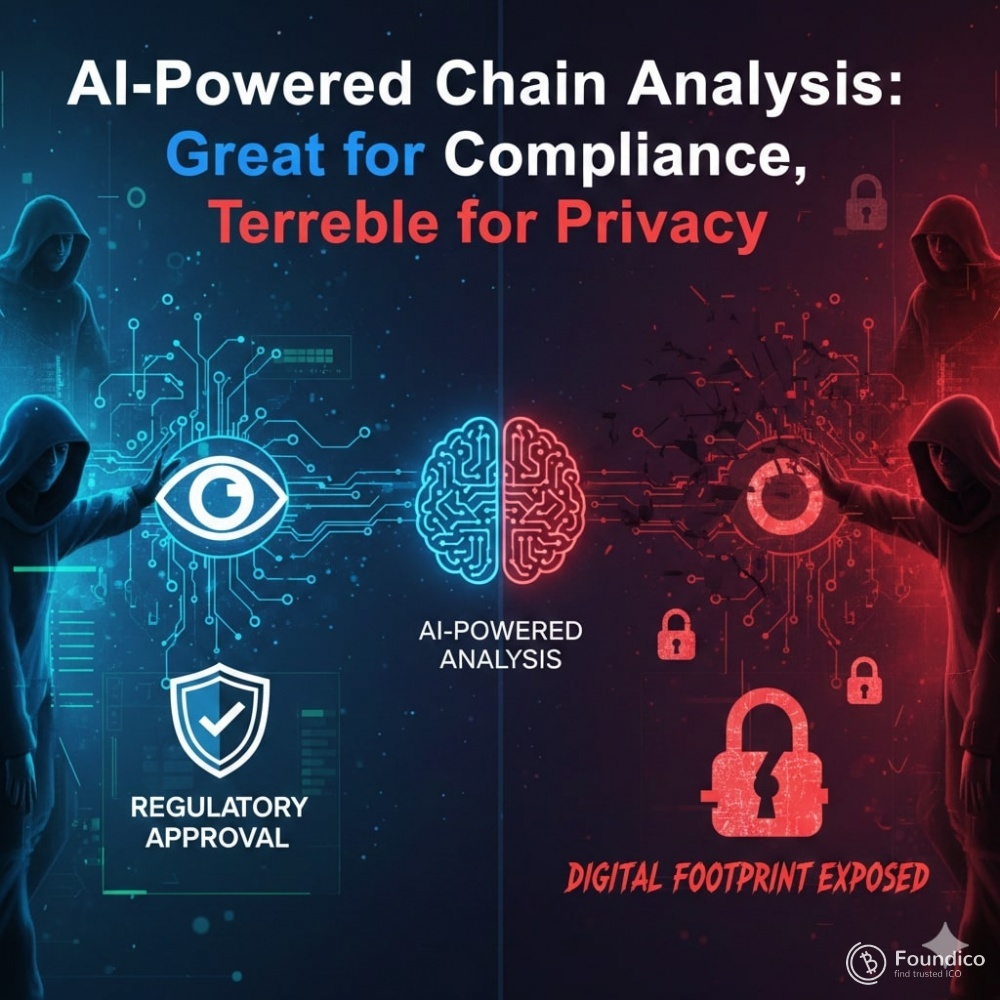
In the shadowy world of blockchain transactions, a powerful new guardian has emerged: artificial intelligence armed with chain analysis tools. These systems promise to illuminate every corner of decentralized finance, catching illicit flows with surgical precision. Regulators celebrate them as indispensable allies in the fight against money laundering and terror financing. Yet, for anyone who values personal privacy, they represent a chilling escalation—one that turns transparent ledgers into panoptic prisons. The trade-off is stark: unparalleled compliance efficiency at the staggering cost of individual anonymity.
The Rise of the Digital Bloodhound: How AI Transformed Chain Surveillance
Chain analysis once relied on painstaking manual tracing of wallet addresses and transaction patterns. Today, AI supercharges the process, clustering addresses, predicting behaviors, and flagging anomalies in real time. Machine learning models devour terabytes of on-chain data, linking pseudonymous wallets to real-world identities with alarming accuracy. For financial institutions under strict AML mandates, this is a godsend—automated reports that satisfy regulators without armies of compliance officers. The technology doesn't just detect crime; it prevents it by freezing suspicious flows before they complete.
Compliance Triumph: Turning Chaos into Order on the Blockchain
From a regulatory perspective, AI-powered chain analysis is nothing short of revolutionary. It imposes accountability on a space designed to resist centralized control. Governments and exchanges now wield tools that can trace tainted funds across layers, bridges, and privacy protocols with relentless determination. Mixers and privacy coins once offered refuge; sophisticated AI models now pierce those veils by analyzing timing, amounts, and interaction patterns. The result? A cleaner ecosystem where bad actors find fewer hiding spots, and legitimate institutions operate with reduced risk.
The Privacy Nightmare: When Every Transaction Becomes a Confession
But flip the coin, and the picture darkens dramatically. Blockchain's original promise was financial sovereignty—transactions free from prying eyes of banks and states. AI chain analysis shatters that illusion. Every transfer, no matter how small, feeds into vast profiling databases. Innocent users—donating to controversial causes, purchasing sensitive health products, or simply experimenting with DeFi—risk being misclassified as threats. The false positives are inevitable: an AI flags a cluster of addresses, freezes funds, and demands proof of innocence from individuals who believed they were anonymous.
The Slippery Slope: From Fighting Crime to Mass Surveillance
What begins as targeted compliance tools inevitably expands. Regulators, emboldened by success against illicit finance, push for broader applications—tax enforcement, political monitoring, even social credit systems layered atop financial data. Private chain analysis firms, hungry for contracts, willingly expand scope. The decentralized dream morphs into the ultimate surveillance network: immutable records analyzed by tireless AI, creating permanent digital dossiers on every participant. Privacy becomes a luxury reserved for those who opt out entirely—a choice increasingly incompatible with modern economic life.
Reclaiming Balance: Can We Have Compliance Without Total Exposure?
The tension is unavoidable, yet not hopeless. Solutions exist in privacy-preserving technologies—zero-knowledge proofs, confidential transactions, and decentralized identity systems that verify without revealing. Forward-thinking jurisdictions could mandate that chain analysis tools operate with strict data minimization, warrant requirements, and sunset clauses on collected intelligence. The goal shouldn't be perfect surveillance but proportional oversight: powerful enough to deter serious crime, restrained enough to protect ordinary users.
The Fork in the Road: Toward a Privacy-Respecting Financial Future
AI-powered chain analysis stands as a double-edged sword, brilliant for compliance, devastating for privacy. As adoption accelerates, society faces a pivotal choice: embrace total transparency in pursuit of security, or demand innovations that preserve anonymity for the innocent. The blockchain revolution was born from distrust of centralized power; surrendering to omnipotent surveillance would betray its deepest principles. True progress lies not in choosing one side over the other, but in forging tools that serve both compliance and freedom without forcing us to sacrifice either. The future of finance depends on getting this balance right.