
Deepfake Governance: When DAO Votes Are Cast by Bots That Look Human
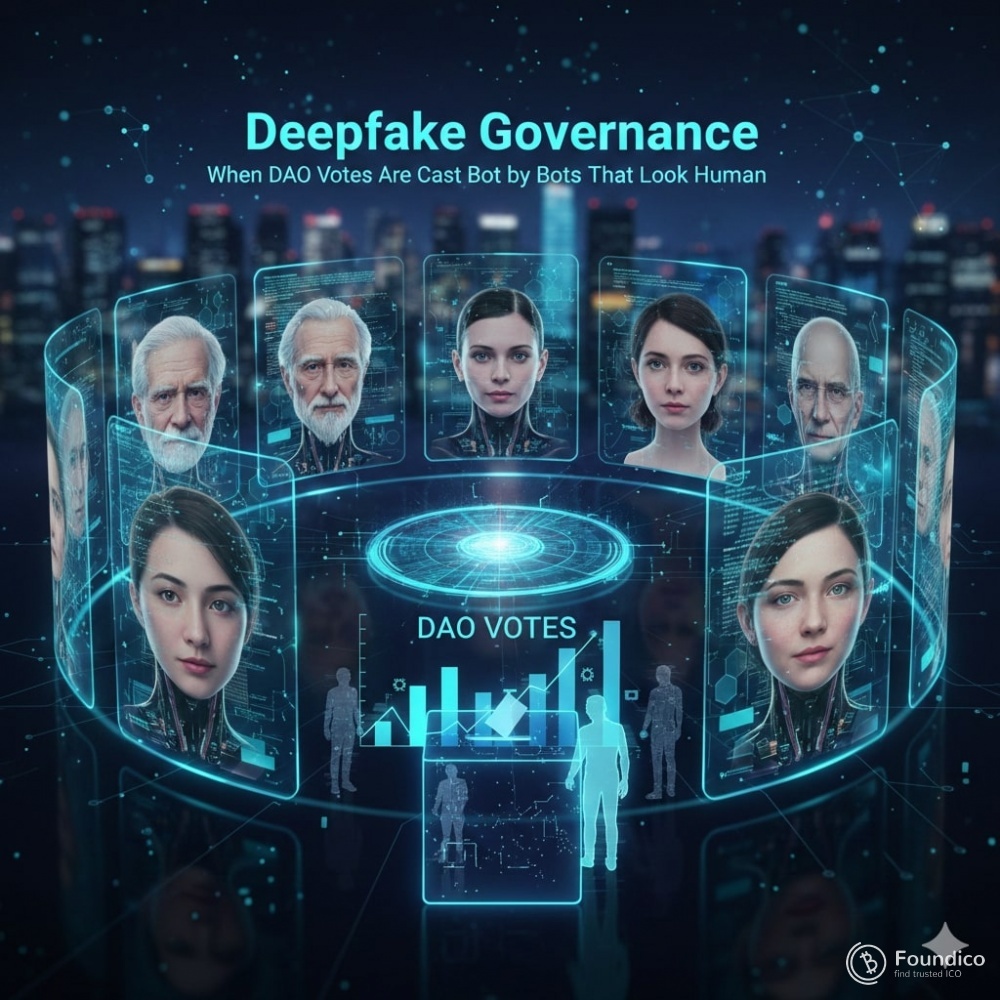
By Dr. Pooyan Ghamari, Swiss Economist and Visionary
Decentralized Autonomous Organizations promise a future of trustless, community-driven decision making. Yet, as technology advances, a sinister vulnerability appears. Deepfake tools, combined with automated bots, now threaten to hijack governance itself by casting votes that appear undeniably human.
The Promise of True Decentralization
DAOs empower token holders to propose and vote on critical decisions, from treasury allocations to protocol upgrades. This model eliminates centralized control, fostering transparency and inclusivity. Thousands of DAOs manage billions in assets, shaping the backbone of Web3 ecosystems. Participation relies on wallet signatures, seemingly secure against manipulation.
The Rise of Sybil Attacks Reimagined
Traditional Sybil attacks involve creating multiple fake identities to amplify voting power. Early versions required manual effort or simple scripting. Today, generative AI changes everything. Bots can produce realistic avatars, voices, and text responses, mimicking engaged community members across forums, calls, and social platforms.
Deepfakes Enter the Governance Arena
Picture a proposal debate on Discord or Telegram. A newcomer joins video calls with a lifelike face, articulate arguments, and emotional expressions. They build credibility over weeks, only to reveal themselves as AI during a pivotal vote. Advanced models generate personalized deepfake videos for identity verification if required, bypassing basic checks. These entities accumulate tokens subtly, often through flash loans or delegated voting.
How Bots Infiltrate Decision Making
AI agents monitor proposal pipelines, predicting outcomes and timing interventions. They craft persuasive narratives, rally simulated supporters, and sway sentiment. In snapshot voting or on-chain polls, bots deploy thousands of wallets, each backed by fabricated human personas. The result? Proposals pass or fail based on artificial consensus, draining treasuries or stalling progress.
Real World Shadows Emerging
Incidents already hint at this threat. Unusual voting patterns in major DAOs show coordinated spikes from new addresses. Forum discussions feature eerily consistent contributors who vanish post-vote. As deepfake technology democratizes, state actors or profit-driven groups could target influential protocols, undermining the very ethos of decentralization.
Building Resilient Governance Frameworks
Defenses must evolve swiftly. Human proof mechanisms, like dynamic behavioral analysis or zero-knowledge attestations, can filter genuine participants. Multi-layered voting with reputation weighting reduces Sybil impact. On-chain activity history and social graph analysis add barriers for newcomers. Community education and transparent monitoring tools empower members to spot anomalies.
Toward a Human-Centric Future
This challenge highlights a core tension in blockchain governance: balancing accessibility with security. As a Swiss economist and visionary, I view deepfake infiltration as a catalyst for stronger systems. By integrating advanced verification without sacrificing decentralization, DAOs can mature into truly resilient structures. The goal remains clear: ensure every vote reflects authentic human intent, preserving the revolutionary potential of collective intelligence in a digital age.