
Predictive Policing on the Blockchain: AI That Flags You Before You Transact
By Dr. Pooyan Ghamari, Swiss Economist and Visionary
In the transparent world of blockchain, every transaction is permanently recorded, offering unparalleled traceability. Yet, this very openness has birthed a new era of surveillance: AI-driven predictive monitoring that analyzes patterns to flag potentially illicit activities before funds even move. Dubbed "predictive policing" for the digital economy, these systems promise to curb fraud, money laundering, and scams—but at the potential cost of privacy and presumption of innocence in decentralized finance.
The Rise of Proactive Transaction Surveillance
Blockchain analytics platforms employ machine learning to scrutinize vast transaction datasets in real time. Algorithms detect anomalies—unusual volumes, rapid transfers, or links to known risky addresses—and assign risk scores. Advanced models even predict emerging threats, identifying scam patterns or exploit precursors before widespread damage occurs.
This proactive approach has proven effective: exchanges and platforms block suspicious outflows, protecting users from irreversible losses. As cryptocurrency adoption grows, such tools are becoming standard for compliance, turning reactive investigations into preventive measures.
Real-Time Flagging: From Detection to Prevention
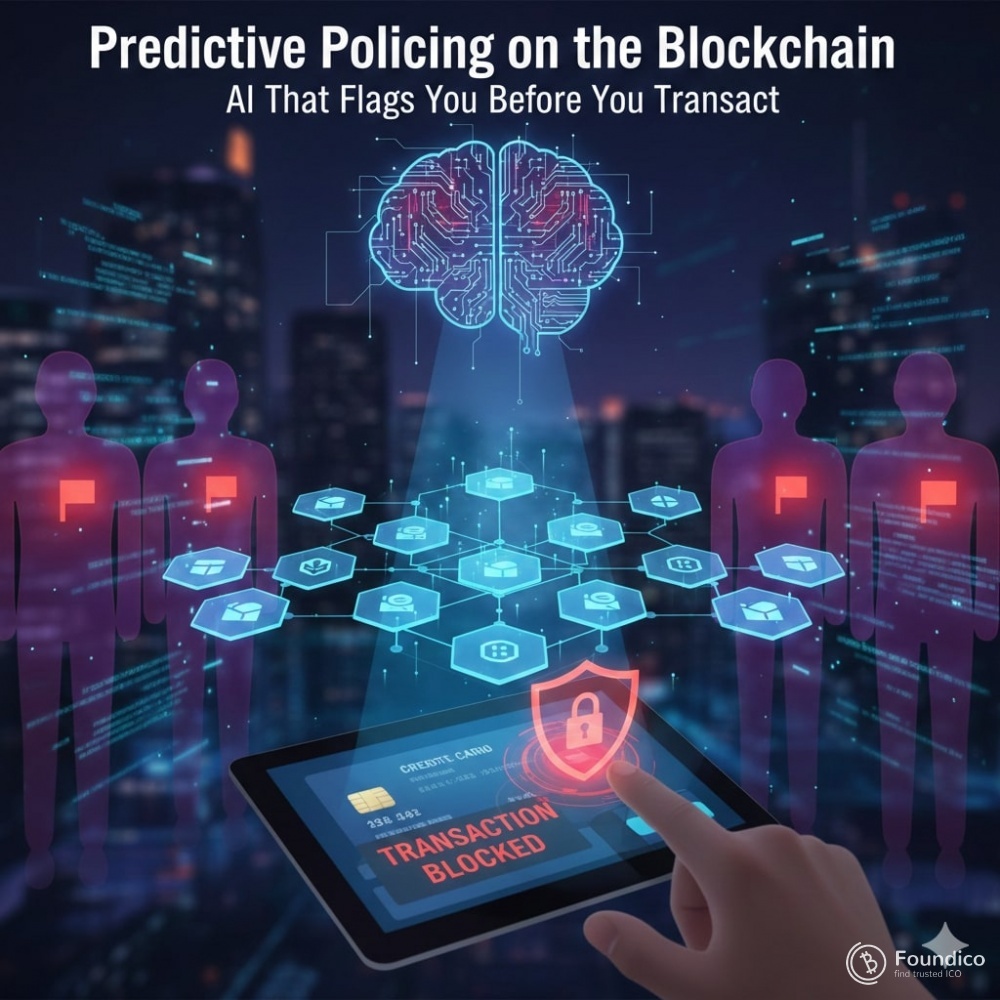
Imagine initiating a transfer, only for AI to intervene: a wallet linked to past illicit activity triggers an alert, delaying or halting the transaction. Predictive engines scan mempools and historical flows, forecasting risks like rug pulls or laundering chains.
Hybrid models combine supervised learning from labeled data with unsupervised anomaly detection, adapting to evolving tactics. The result? High-risk addresses flagged preemptively, often before regulators or victims notice.
The Privacy Paradox in a Transparent Ledger
Blockchain's pseudonymous nature once promised financial sovereignty, but clustered addresses and behavioral patterns increasingly de-anonymize users. Mass surveillance of public ledgers raises profound concerns: innocent patterns—frequent small transfers or privacy tool usage—could mislabel legitimate activity.
False positives erode trust, while overreach stifles innovation. In a borderless system, who decides what constitutes "suspicious"? The risk of biased datasets amplifying inequalities looms large.
Bias and the Perils of Algorithmic Judgment
No model is impartial; training data reflects historical enforcement, potentially perpetuating disparities. If past flags disproportionately targeted certain regions or behaviors, AI amplifies these biases, leading to discriminatory policing.
Moreover, centralized analytics providers dominate the field, creating gatekeepers in a supposedly decentralized ecosystem. Users remain unaware of the black-box decisions influencing their transactions.
Toward a Balanced Future: Privacy-Enhancing Alternatives
The tension between security and privacy isn't insurmountable. Zero-knowledge proofs offer a compelling counterpoint: verify compliance without exposing details, enabling private transactions while proving legitimacy.
Hybrid systems could integrate selective disclosure—flagging only verifiable risks—or decentralized monitoring to distribute power. As an economist, I see economic incentives aligning toward privacy-preserving tech, fostering broader adoption without sacrificing freedom.
Envisioning Ethical Digital Oversight
Predictive policing on blockchain heralds a safer crypto landscape, deterring crime through deterrence and rapid response. Yet, unchecked, it risks transforming open networks into panopticons.
Visionaries must champion transparent, auditable AI alongside privacy tools. By prioritizing human rights in design—fairness, accountability, minimal intrusion—we can harness prediction for protection, not persecution. The blockchain revolution thrives on trust; let's ensure its guardians earn it.