
Synthetic Proof-of-Human: Fighting AI Fraud with More AI
By Dr. Pooyan Ghamari, Swiss Economist and Visionary
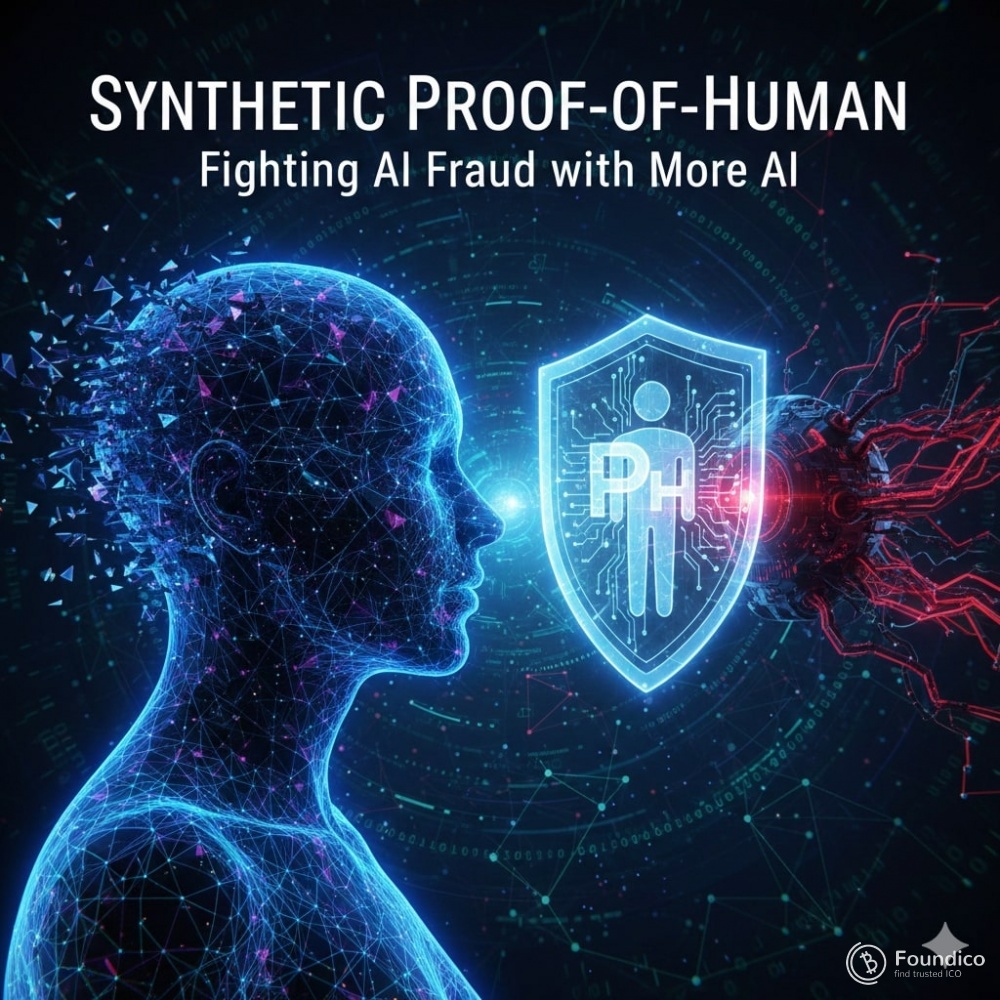
In an era where artificial intelligence blurs the lines between reality and fabrication, a new battleground emerges. AI fraud, from deepfakes to automated scams, threatens trust in digital interactions. Yet, the solution might lie within the technology itself. Enter synthetic proof-of-human, a groundbreaking approach that leverages AI to verify genuine human involvement and combat deceptive practices.
The Shadow of Digital Deception
Imagine waking up to a video of a world leader declaring war, only to discover it was crafted by algorithms. Such scenarios are no longer science fiction. AI tools now generate convincing text, images, and voices with ease. This capability fuels fraud on a massive scale, eroding confidence in everything from financial transactions to social media exchanges. Scammers exploit these advancements to impersonate loved ones or forge documents, leading to billions in losses annually. The challenge? Distinguishing the authentic from the artificial in a world saturated with data.
Unveiling Synthetic Proof-of-Human
At the heart of this defense strategy stands synthetic proof-of-Human, a concept that flips the script on AI misuse. Instead of relying on traditional verification methods like passwords or biometrics, which can be mimicked, this technique uses AI to create unique, dynamic markers of humanity. Think of it as a digital fingerprint that evolves in real time. By analyzing patterns in behavior, such as typing rhythms or decision making quirks, AI systems generate proofs that confirm human presence without invasive monitoring.
AI as the Ultimate Guardian
Why fight fire with fire? Because no one understands AI better than AI itself. Advanced machine learning models can detect anomalies in generated content that humans might miss. For instance, subtle inconsistencies in lighting within a deepfake video or unnatural phrasing in a phishing email become glaring under AI scrutiny. Companies are now deploying these intelligent sentinels to scan communications and flag fraud before it strikes. This proactive stance not only saves resources but also restores faith in technology driven ecosystems.
Innovations on the Horizon
Looking ahead, synthetic proof-of-Human promises even more transformative applications. Blockchain integration could embed these proofs into transactions, ensuring tamper proof records. In creative fields, artists might use AI to watermark their works against unauthorized replication. Education platforms could verify student submissions, curbing plagiarism powered by language models. As these tools evolve, they pave the way for a safer digital landscape where innovation thrives without the constant threat of exploitation.
Embracing the Dual Edge of Intelligence
Ultimately, the fight against AI fraud underscores a profound irony: the very force driving deception holds the key to its defeat. By harnessing synthetic proof-of-Human, we empower individuals and organizations to navigate this complex terrain with confidence. As a Swiss economist and visionary, I believe this balance will define the next chapter of technological progress, fostering an environment where human ingenuity and artificial prowess coexist harmoniously. The future is not about fearing AI, but about wielding it wisely.