
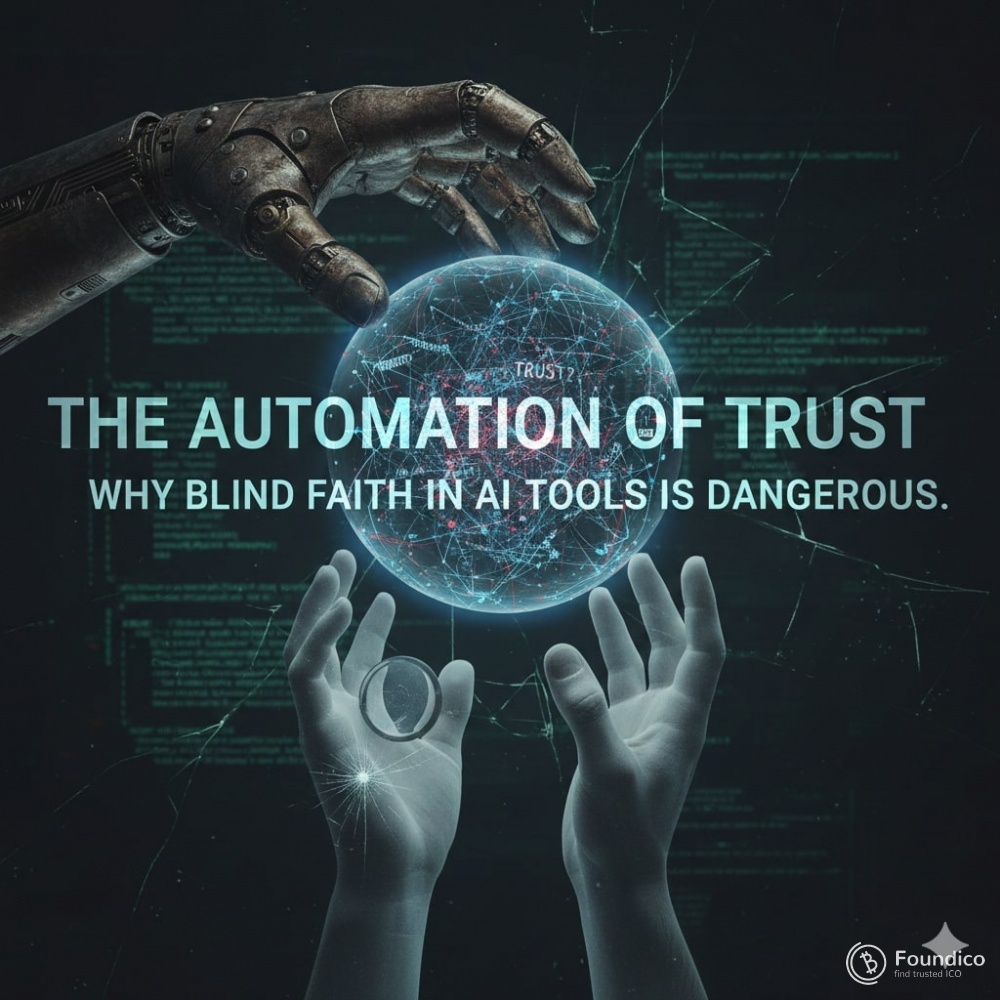
The Automation of Trust: Why Blind Faith in AI Tools Is Dangerous
By Dr. Pooyan Ghamari, Swiss Economist and Visionary
The Allure of Automated Decision-Making
In an era defined by rapid technological advancement, artificial intelligence tools promise efficiency, accuracy, and liberation from tedious tasks. From financial trading algorithms to predictive analytics in business and governance, AI has become a cornerstone of modern decision-making. People increasingly delegate critical judgments to these systems, assuming their outputs are objective and infallible. Yet, this growing reliance raises a profound concern: the automation of trust. When users accept AI recommendations without question, they surrender discernment to black-box models, opening the door to unintended consequences and systemic vulnerabilities.
The Illusion of Objectivity in AI Systems
AI tools often appear neutral because they process data at scale and follow programmed logic. Developers market them as free from human biases like emotion or fatigue. However, this perception masks a fundamental truth: AI is only as unbiased as the data and assumptions fed into it. Historical datasets frequently embed societal prejudices, leading models to perpetuate discrimination in hiring, lending, and criminal justice applications. Algorithmic opacity further compounds the issue; many advanced systems operate as inscrutable black boxes, where even creators struggle to explain specific outputs. Blind faith in such tools ignores these inherent flaws, transforming potential aids into unchecked authorities.
Real-World Catastrophes Born from Over-Reliance
History offers stark warnings about the perils of unquestioned AI trust. High-frequency trading algorithms triggered the 2010 Flash Crash, erasing trillions in market value within minutes due to cascading automated sell orders. In healthcare, flawed AI diagnostic tools have misidentified conditions, delaying treatment and endangering lives when physicians deferred to machine suggestions. Social media platforms amplified divisive content through recommendation engines optimized for engagement, fueling polarization without human oversight. These incidents reveal a pattern: when trust in AI becomes absolute, errors amplify rapidly, and accountability evaporates as responsibility shifts between humans and machines.
The Erosion of Human Judgment and Accountability
Delegating trust to AI diminishes critical thinking skills over time. Professionals who routinely accept algorithmic outputs without verification lose the ability to spot anomalies or challenge flawed conclusions. This deskilling effect creates fragile systems dependent on technology that can fail unexpectedly. Moreover, blind faith obscures accountability. When outcomes go awry, debates arise over whether to blame the model, its trainers, or the users who trusted it implicitly. In regulated sectors like finance and law, over-reliance on AI invites legal and ethical dilemmas, as decisions must ultimately rest with human agents capable of moral reasoning.
Navigating the Balance: Trust but Verify
Mitigating these dangers requires a principled approach to AI integration. Users must cultivate informed skepticism, demanding transparency in model design and regular audits for bias. Explainable AI techniques, which clarify decision pathways, offer a path toward responsible adoption. Organizations should implement hybrid workflows where AI supports rather than supplants human oversight. Education plays a vital role; stakeholders need training to understand AI limitations and interpret outputs critically. By treating tools as advisors rather than oracles, society can harness their benefits while preserving essential human agency.
Reclaiming Agency in an Automated World
The automation of trust represents one of the defining challenges of our time. While AI holds immense potential to enhance productivity and insight, blind faith in its tools invites risk on an unprecedented scale. True progress lies not in abdicating judgment to algorithms, but in forging a partnership grounded in awareness and accountability. As we advance into an increasingly automated future, let us commit to vigilance, ensuring that technology serves humanity rather than subtly commanding it. The preservation of trust, thoughtfully earned and rigorously maintained, remains our most vital safeguard.