
The Impact of Deepfakes on Identity Verification Processes
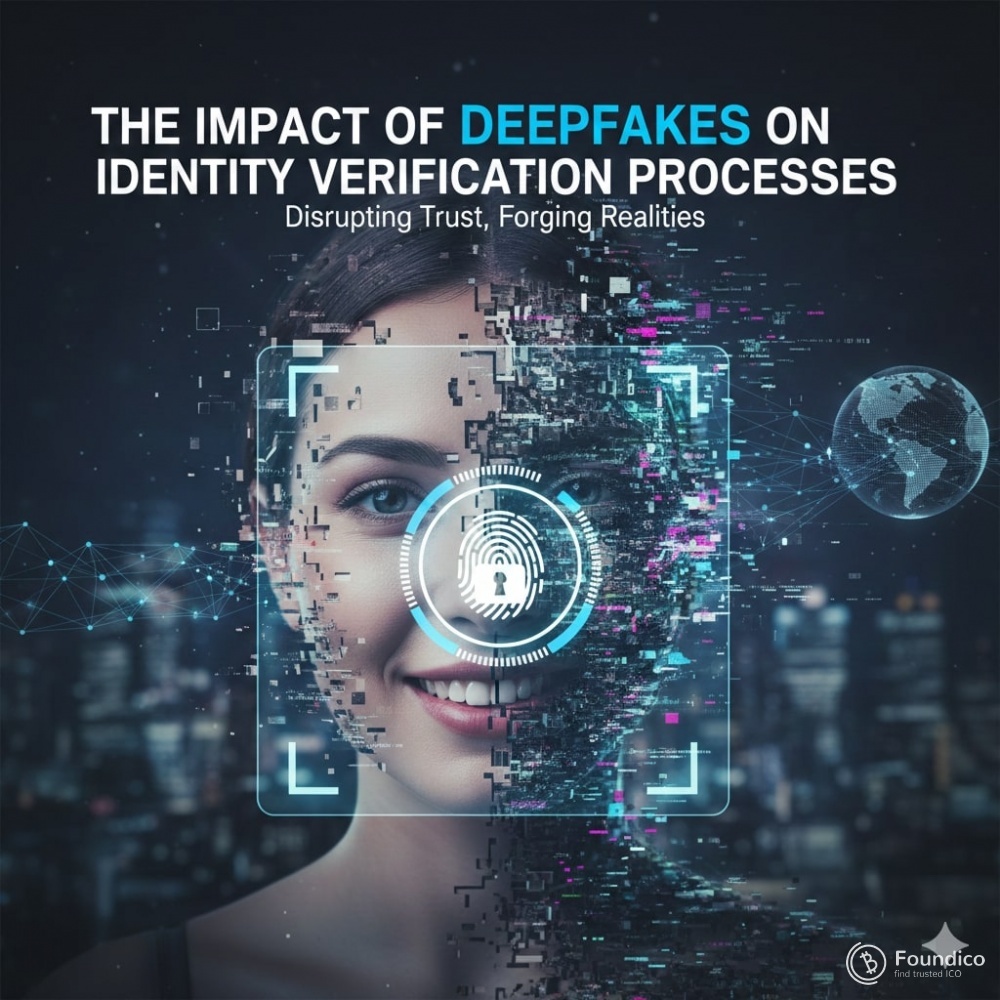
By Dr. Pooyan Ghamari, Swiss Economist and Visionary
The Emerging Threat Landscape: Deepfakes Enter the Stage
Deepfake technology, powered by advanced generative artificial intelligence, has progressed from entertaining novelties to potent weapons capable of undermining trust in digital systems. These highly realistic synthetic media manipulate audio, video, and images to depict individuals saying or doing things they never did. As deepfakes become more accessible and convincing, their influence extends directly to identity verification processes that underpin banking, government services, and online platforms.
What makes this development particularly concerning is the speed of advancement. Tools once requiring expert knowledge now operate with minimal input, allowing widespread creation of deceptive content. This shift challenges the foundational assumption that seeing or hearing is believing.
Eroding Traditional Safeguards: Video and Voice No Longer Reliable
Many identity verification systems rely on live video calls or voice authentication as key components. Customers present identification documents while speaking phrases on camera, providing liveness checks through facial movements and background analysis. Deepfakes directly assault these defenses.
Sophisticated models generate real time video swaps during verification sessions, fooling both human reviewers and automated systems. Similarly, voice synthesis creates perfect replicas from short samples, bypassing audio based security. Incidents already demonstrate successful breaches where fraudsters impersonate legitimate users to open accounts or authorize large transactions.
Compromising Biometric Security: The Next Frontier
Biometric authentication, long considered a gold standard, faces unprecedented risks. Facial recognition systems trained on static images struggle against dynamic deepfakes that replicate subtle expressions and head movements. Even advanced liveness detection, which looks for pulse signals or micro expressions, finds itself outpaced by evolving generation techniques.
The implications extend beyond individual accounts. Large scale attacks could target know your customer procedures in financial institutions, enabling money laundering or terrorist financing under false identities. Regulatory compliance built around biometric trust suddenly requires reevaluation.
Amplifying Social Engineering: Trust as the Weakest Link
Deepfakes supercharge social engineering by providing visual proof to accompany fraudulent claims. A fabricated video of a company executive requesting urgent wire transfers can bypass multiple approval layers. Family members receive seemingly genuine pleas for financial help from loved ones in distress.
This psychological impact proves devastating. When victims see and hear familiar faces delivering convincing messages, rational skepticism diminishes. Organizations report rising losses from business email compromise enhanced by deepfake elements, highlighting how technology exploits human vulnerability.
Challenging Remote Onboarding: Convenience Versus Security
The pandemic accelerated adoption of fully remote identity verification for opening bank accounts, obtaining loans, or accessing government services. This convenience now carries heightened risk as deepfakes target exactly these digital first processes.
Service providers must balance user experience with robust protection. Overly stringent measures drive customers away, while lax approaches invite exploitation. Finding equilibrium demands continuous innovation in detection capabilities matched against rapidly improving generation tools.
Forging Defensive Strategies: Detection and Resilience
Countermeasures emerge on multiple fronts. Advanced detection algorithms analyze video for inconsistencies in lighting, pixel patterns, or physiological signals absent in synthetic media. Blockchain based identity systems offer immutable records that deepfakes cannot alter retroactively.
Multi layered verification combining behavioral analysis, device fingerprinting, and knowledge based questions adds friction for attackers. Collaborative efforts among technology firms share deepfake signatures, improving collective defense. Education empowers users to question unexpected urgent requests regardless of apparent authenticity.
Shaping Future Identity Frameworks: Toward Adaptive Verification
The deepfake era compels fundamental rethinking of identity verification. Static methods give way to continuous authentication monitoring behavior patterns over time. Zero trust architectures assume potential compromise, requiring ongoing validation rather than one time checks.
Emerging solutions integrate artificial intelligence for both attack and defense, creating an arms race favoring those who adapt fastest. Privacy preserving techniques ensure enhanced security without excessive data collection. Regulatory guidance will likely mandate deepfake resistant measures for critical services.
Securing Digital Trust: An Ongoing Imperative
Deepfakes represent a pivotal challenge to identity verification processes, exposing vulnerabilities in systems built on visual and auditory trust. Their impact forces rapid evolution in defensive technologies and practices.
Yet this disruption also drives progress toward more resilient frameworks. By confronting the threat directly, industries build verification methods that withstand future advances in synthetic media. Maintaining trust in digital identity remains essential for economic and social functioning, making vigilant adaptation not just necessary but transformative for the years ahead.