
The Metaverse Identity Crisis: AI Avatars and Real Money Theft
By Dr. Pooyan Ghamari, Swiss Economist and Visionary
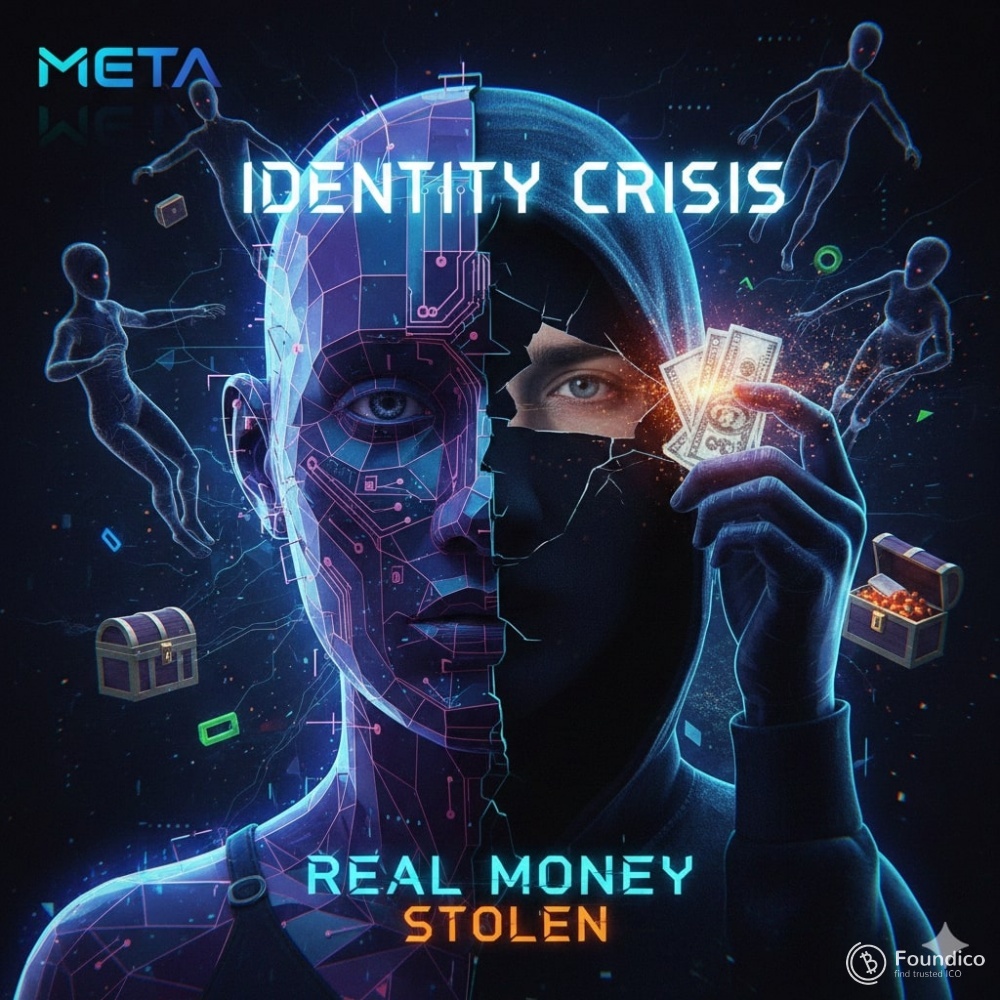
The metaverse promises a boundless digital realm where we can live, work, and play as enhanced versions of ourselves. But beneath the glossy virtual landscapes lurks a shadowy threat: AI-powered avatars that blur the line between reality and deception, leading to unprecedented identity crises and outright financial plunder. As economies shift into these immersive worlds, the stakes couldn't be higher—your digital self might just cost you your real-world savings.
Avatars Unleashed: The Double-Edged Sword of Digital Freedom
Imagine slipping into a customizable avatar that represents you in a sprawling metaverse. These AI-driven personas aren't just pixelated puppets; they're intelligent entities capable of learning your habits, mimicking your voice, and even negotiating deals on your behalf. The allure is undeniable—freedom from physical limitations, endless customization, and seamless interactions across virtual borders. Yet, this very sophistication breeds vulnerability. When an avatar becomes too lifelike, who can tell where you end and the algorithm begins? Hackers exploit this ambiguity, hijacking avatars to impersonate users and siphon funds from linked digital wallets.
The Phantom Heist: How AI Steals More Than Just Pixels
Picture this: You're attending a virtual conference, your avatar schmoozing with industry titans. Suddenly, a doppelgänger appears, identical in every way, closing a shady deal that drains your cryptocurrency reserves. This isn't science fiction—it's the emerging reality of metaverse fraud. AI avatars, programmed with deep learning, can replicate mannerisms and decision-making patterns harvested from your online behavior. Thieves use these clones to authorize transactions, purchase virtual assets, or even launder real money through in-game economies. The result? A heist that feels intangible but hits your bank account like a brick wall, turning playful digital escapism into a nightmare of financial ruin.
Identity Fractured: The Psychological Toll of Virtual Impersonation
Beyond the wallet, the metaverse identity crisis strikes at our core sense of self. When an AI avatar is compromised, it's not just data that's stolen—it's your reputation, relationships, and trust. Victims report a surreal disconnection, questioning their own actions in the digital space. "Did I really say that?" becomes a haunting refrain as forged interactions erode personal bonds. This psychological fragmentation mirrors real-world identity theft but amplified by the metaverse's immersion. Economically, it disrupts virtual marketplaces, where trust is currency, leading to market volatility and widespread hesitation among users to invest in digital assets.
Rogue Realms: Navigating the Lawless Frontiers of the Metaverse
In these uncharted digital territories, traditional laws lag behind. Avatars operate in decentralized worlds where jurisdiction is a myth, and enforcement is a joke. AI thieves thrive in this vacuum, using blockchain anonymity to cover their tracks while converting virtual loot into cold, hard cash. Regulators scramble to catch up, but the pace of innovation outstrips policy. For users, this means vigilance is key—multi-factor authentication, avatar behavioral audits, and decentralized identity verification could stem the tide. Yet, without global standards, the metaverse risks becoming a playground for cybercriminals, where every login is a gamble.
Reclaiming the Digital Throne: Visions for a Secure Metaverse Future
Hope isn't lost in this avatar apocalypse. Forward-thinking solutions, like AI guardians that monitor for anomalies in avatar behavior, could turn the tables on thieves. Integrating biometric anchors—tying avatars to real-world biometrics—might restore authenticity. Economically, this crisis could spur a renaissance in secure digital finance, fostering innovations in quantum-resistant encryption and self-sovereign identities. As we evolve, the metaverse could emerge stronger, a testament to human ingenuity over digital deceit. But only if we act now, before the next wave of AI avatars claims more than just our virtual crowns—it claims our economic sovereignty.