
 Maxi Doge - $MAXI is the meme-powered token of Maxi Doge—a body-building, 1000x-leverage-trading Doge who represents ultimate strength, hustle, and the grind of the bull market. He never skips leg day, a 1000x trade, and he definitely never touches grass.
The Trust Problem: Can We Ever Trust an AI-Verified Identity?
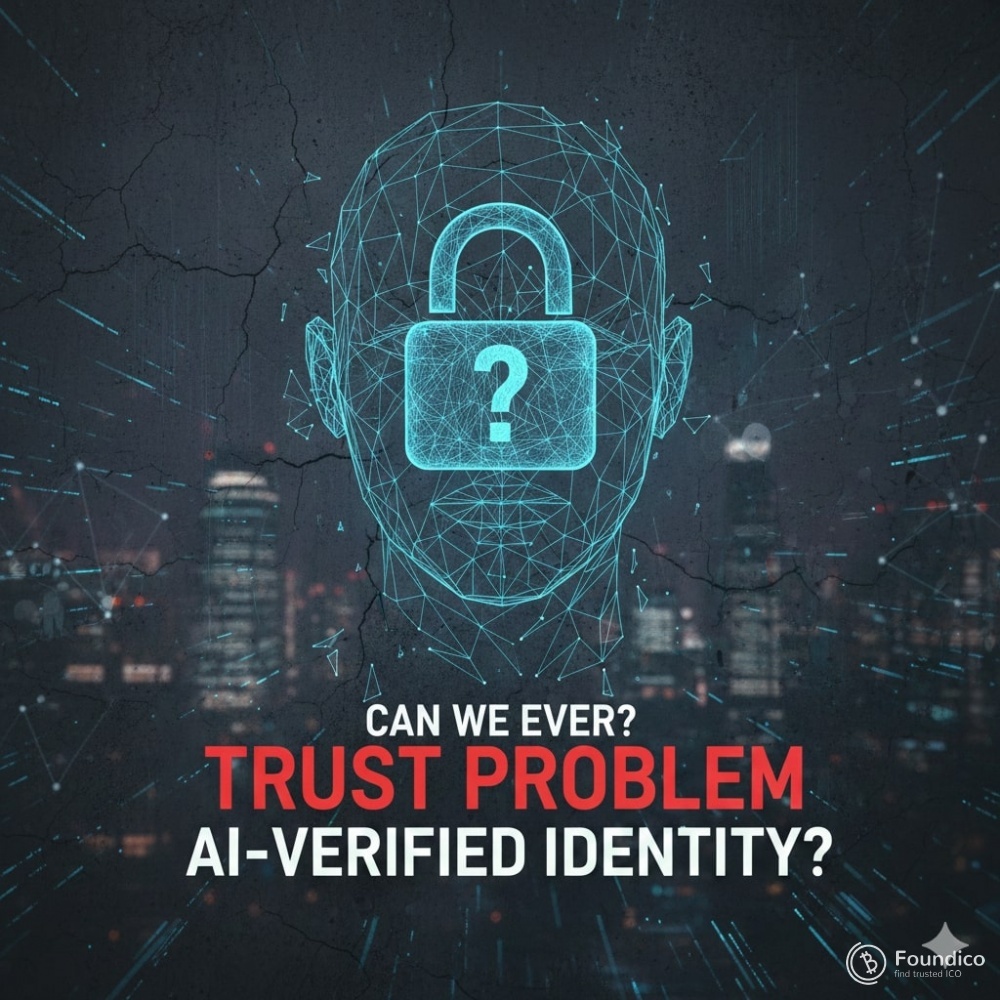
By Dr. Pooyan Ghamari, Swiss Economist and Visionary
In a world where digital footprints define our existence, the rise of artificial intelligence promises to revolutionize how we verify who we are. But beneath the shiny veneer of efficiency lies a gnawing question: Can we truly trust an identity stamped with AI's approval? As we hurtle toward a future dominated by algorithms, it's time to peel back the layers of this technological enigma and explore the fragile foundation of trust in an AI-driven era.
The Allure of Algorithmic Certainty: Why AI Verification Feels Like a Superpower
Imagine a seamless world where your identity is confirmed in milliseconds—no fumbling for passports, no endless security questions. AI-verified identities harness machine learning to cross-reference biometrics, behavioral patterns, and data trails with unparalleled precision. This isn't science fiction; it's the backbone of emerging systems in banking, social media, and even voting. The appeal is magnetic: faster transactions, reduced fraud, and a shield against identity theft. Yet, this superpower comes with its own kryptonite—what happens when the algorithm gets it wrong?
Shadows in the Code: The Hidden Flaws That Undermine AI Trust
No system is infallible, and AI is no exception. Biases baked into training data can skew verifications, favoring certain demographics while marginalizing others. A facial recognition tool trained on limited datasets might excel at identifying one group but falter with another, leading to false positives or denials. Then there's the specter of deepfakes—AI-generated imposters so convincing they could fool the verifiers themselves. If the guardian of truth is susceptible to manipulation, how do we distinguish real from replica? These shadows remind us that trust in AI isn't just about technology; it's about the imperfect humans who build it.
The Human Factor: When Trust Hinges on Flesh and Blood Oversight
At the heart of the trust dilemma is our reliance on human intervention. AI might verify an identity, but who verifies the AI? Regulatory frameworks and ethical guidelines are emerging, yet they lag behind innovation. Picture a scenario where a hacked database feeds tainted data into the system—suddenly, trusted identities become weapons for chaos. True trust demands a hybrid approach: AI's speed paired with human empathy and accountability. Without it, we're building castles on digital sand, vulnerable to the next wave of cyber threats.
Echoes of the Future: Navigating a World of Perpetual Verification
As blockchain and decentralized identities intertwine with AI, the landscape evolves into one of constant scrutiny. Your morning coffee purchase could trigger an AI check, your job interview a deep dive into your digital soul. This hyper-verified existence promises security but risks eroding privacy and autonomy. Will we adapt to this new normal, or rebel against the invisible chains? The path forward requires visionary thinking—balancing innovation with safeguards that prioritize human dignity over algorithmic dominance.
Beyond the Binary: Forging a Trustworthy Tomorrow in an AI Age
Ultimately, the question isn't whether we can trust AI-verified identities—it's how we redefine trust itself. By demanding transparency, inclusivity, and robust fail-safes, we can transform potential pitfalls into pillars of progress. As a society, we must champion systems that empower rather than ensnare. In this dance between man and machine, true verification lies not in code alone, but in the collective wisdom that guides it. The trust problem isn't insurmountable; it's an invitation to build better.